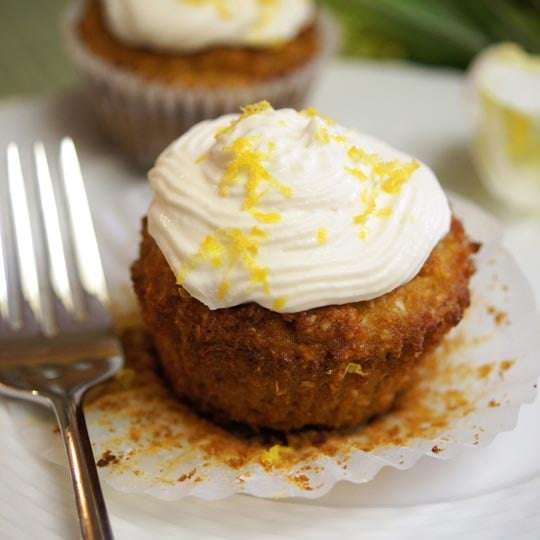
Achieve Light & Creamy Vegan Lemon Coconut Frosting for Cakes
Creating a truly delicious and satisfying vegan frosting can sometimes feel like a culinary quest. While traditional buttercreams rely heavily on dairy, the world of plant-based baking has evolved to offer equally delightful and often more vibrant alternatives. Among these, a **vegan lemon coconut frosting** stands out as a true star – bright, zesty, subtly sweet, and wonderfully creamy. It's the perfect topping for everything from birthday cakes to everyday cupcakes, offering a refreshing twist that pleases even the most discerning palates.
Imagine a frosting that's light as a cloud, yet rich enough to feel utterly decadent, with a harmonious blend of tangy lemon and tropical coconut. This isn't just a dream; it's an achievable reality. Whether you're navigating dietary restrictions, embracing a plant-based lifestyle, or simply curious to try something new, learning to master this frosting will elevate your baking game. This article will guide you through two distinct yet equally rewarding methods to create this magnificent dairy-free delight, providing all the tips and tricks you need for a perfect finish every time. For an even deeper dive into the world of dairy-free delights, you might enjoy our comprehensive guide on
Whip Up Fluffy Vegan Lemon Coconut Frosting: Dairy-Free & Easy.
The Magic Behind Light & Creamy Vegan Lemon Coconut Frosting
What makes **vegan lemon coconut frosting** so captivating? It’s a symphony of flavors and textures designed to impress. The inherent brightness of fresh lemon cuts through the richness, while coconut, in various forms, lends its unique creaminess and subtle sweetness. Unlike some heavy traditional buttercreams, a well-made vegan lemon coconut frosting often feels lighter on the palate, making it a fantastic complement to a wide range of baked goods without overwhelming them.
This frosting is not just a treat for the taste buds; it's also a fantastic option for those seeking gluten-free and dairy-free solutions, opening up a world of possibilities for inclusive baking. Its versatility means it can be adapted in terms of sweetness, tanginess, and even consistency, allowing you to tailor it perfectly to your specific dessert and personal preference. The core ingredients – primarily coconut (either oil or milk), lemon, and a sweetener – are surprisingly simple, yet their combination yields a result that tastes anything but.
Method 1: The Blender-Based Coconut Oil & Flour Approach
This method yields a unique, slightly more rustic yet incredibly flavorful and fluffy frosting. It's often praised for its simplicity and the deep, rich coconut flavor it brings. This technique relies on the thickening power of coconut flour and the setting properties of coconut oil to create its distinct texture.
Understanding the Ingredients:
- Coconut Oil, Melted: This is the structural backbone of this frosting. When melted and then chilled, coconut oil solidifies, giving the frosting its body and creamy texture. Using a good quality, virgin coconut oil can enhance the flavor.
- Almond Milk (or other plant-based milk): Provides the liquid base, contributing to the overall smoothness. Unsweetened almond milk is ideal to avoid excess sweetness, but soy or oat milk can also work, potentially altering the flavor subtly. Ensure it's at room temperature for optimal blending.
- Honey (or Vegan Sweetener): Sweetens the frosting and balances the tartness of the lemon. For a strictly vegan option, substitute honey with an equal amount of maple syrup, agave nectar, or brown rice syrup.
- Vanilla Extract: A crucial flavor enhancer. Always opt for pure vanilla extract for the best depth of flavor. It beautifully complements both the lemon and coconut.
- Coconut Flour: This is the secret weapon for thickening. Coconut flour is exceptionally absorbent, even in small quantities. It contributes to the fluffy texture but requires precise measurement.
- Fresh Lemon Juice: Provides the essential bright, zesty tang. Freshly squeezed lemon juice is always recommended for superior flavor compared to bottled varieties.
Step-by-Step for a Flawless Frosting:
- Combine & Blend: Add all the ingredients – melted coconut oil, room temperature almond milk, sweetener, vanilla extract, coconut flour, and fresh lemon juice – into a high-speed blender. Blend until the mixture is completely smooth and creamy. The high-speed blender is key here to ensure there are no lumps and the coconut flour is fully incorporated. Taste-test and adjust as needed; you might prefer more lemon for extra tang or a touch more sweetener.
- The Critical Chill: Transfer the blended frosting to a bowl. This step is perhaps the most important and requires patience. Allow the frosting to set in the fridge for a full **6 hours**. Yes, six hours! During this time, the coconut oil will firm up, and the coconut flour will absorb the liquids, transforming the runny mixture into a scoopable, spreadable frosting. Do not rush this process; an insufficient chill will result in a soft, unmanageable frosting.
- Serve & Enjoy: After the chilling period, the frosting will be quite firm. Give it a good stir with a spoon or spatula to loosen it slightly and restore its creamy texture before serving over your favorite cakes, cupcakes, or other baked goods.
Expert Tips for Success:
- Measure Coconut Flour Precisely: Due to its high absorbency, accurate measurement of coconut flour is paramount. Scoop the measuring spoon directly into the bag, then level it off carefully with a knife. Do not pack it down, as this will lead to a much too thick and dry frosting.
- Temperature Matters: Ensure your almond milk is at room temperature before blending. Cold milk can cause the melted coconut oil to seize, leading to a lumpy texture.
- Adjusting Consistency: If, after chilling and stirring, your frosting seems too thick, you can try adding a tiny splash (1/2 teaspoon at a time) of room-temperature plant milk and stirring well. If it's too thin, a very small additional amount of coconut flour (1/2 teaspoon) might help, but be extremely cautious to avoid over-thickening.
Method 2: The Whipped Coconut Milk Buttercream Variation
For those who crave the classic, airy texture of a buttercream, but without the dairy, this method is a game-changer. It leverages the thick cream from canned full-fat coconut milk to create a rich, pipeable, and wonderfully light frosting. This approach is generally quicker to prepare for immediate use. For a deeper dive into this specific technique, don't miss our article:
Perfect Dairy-Free Lemon Coconut Buttercream: No Butter Needed!
Selecting Your Star Ingredients:
- Full-Fat Canned Coconut Milk: This is the absolute cornerstone of this buttercream. You need a full-fat variety, and it's crucial to refrigerate the can overnight (or for several hours) without shaking it. This allows the thick coconut cream to separate and rise to the top, leaving the watery coconut "liquid" at the bottom. You will only use the thick, solidified cream. Unsweetened is vital to control the sweetness of your frosting.
- Powdered Sugar (Confectioners' Sugar): Provides bulk, sweetness, and creates the signature smooth, fluffy texture of buttercream. Sift it if clumpy to avoid lumps in your frosting.
- Fresh Lemon Juice: Delivers the bright, tangy lemon flavor. As with Method 1, fresh is best. Be mindful of the quantity; too much liquid can thin the buttercream. Measure accurately.
- Pure Vanilla Extract: Enhances the overall flavor profile. Its warmth balances the bright lemon and tropical coconut.
Whipping Up a Dreamy Buttercream:
- Harvest the Coconut Cream: Carefully open your chilled, unshaken can of full-fat coconut milk. Scoop out only the thick, solidified cream from the top, leaving the watery liquid behind.
- Combine & Whip: In a large mixing bowl, add the coconut cream, sifted powdered sugar, fresh lemon juice, and pure vanilla extract.
- Aerate to Perfection: Using a hand mixer or a stand mixer with a whisk attachment, whip the mixture on medium-high speed for about 3-5 minutes. You'll observe the frosting transforming from a dense paste into a light, airy, and fluffy buttercream. It should hold soft peaks and spread beautifully.
Troubleshooting & Customization:
- If the Frosting is Too Thin: This is a common issue if too much liquid was incorporated or not enough powdered sugar. Gradually add more powdered sugar, about 1/4 to 1/2 cup at a time, whipping well after each addition, until your desired consistency is reached. Alternatively, chilling the frosting in the fridge for 15-30 minutes can help it firm up.
- If the Frosting is Too Thick: This is less common, but if it's too stiff, add a very small amount (1/2 teaspoon) of the reserved coconut water or a plant-based milk, whipping until smooth.
- Flavor Variations: While lemon and vanilla are classic, consider adding a pinch of lemon zest for intensified citrus aroma, or experimenting with other extracts like almond or coconut extract for different flavor profiles.
- Storage: Store any leftover frosting in an airtight container in the refrigerator for up to 5 days. Before using again, let it come to room temperature for about 20-30 minutes, then re-whip it briefly to restore its fluffy texture.
Enhancing Your Vegan Lemon Coconut Frosting Experience
Once you've mastered the art of creating your perfect **vegan lemon coconut frosting**, the possibilities are endless for its application.
Pairing Suggestions:
This versatile frosting pairs beautifully with a multitude of desserts. It's exceptional on:
- Vanilla Cakes & Cupcakes: The brightness of the lemon and coconut perfectly complements a classic vanilla base.
- Lemon Cakes: For an intense citrus experience, layer it onto a lemon cake.
- Coconut Cakes: A natural pairing, enhancing the tropical flavors.
- Carrot Cakes: The tanginess can cut through the richness of a spiced carrot cake.
- Sugar Cookies & Shortbread: A light, zesty topping for simple cookies.
- Chocolate Cakes: Surprisingly delightful, the lemon and coconut can provide a refreshing counterpoint to rich chocolate.
Decorating with Ease:
Both methods, when properly prepared, yield a frosting that holds its shape well.
- Piping: The whipped coconut milk buttercream, in particular, is excellent for piping intricate designs. If it feels too soft for detailed work, a brief chill in the refrigerator (10-15 minutes) can help it firm up.
- Spreading: For simple spreading, ensure the frosting is at a workable room temperature after chilling (for Method 1) or re-whipping (for Method 2).
Health & Dietary Benefits:
Beyond its delicious taste, this **vegan lemon coconut frosting** offers several advantages:
- Dairy-Free: Ideal for those with lactose intolerance, dairy allergies, or a vegan lifestyle.
- Gluten-Free: As neither method uses gluten-containing ingredients, it's suitable for gluten-sensitive individuals.
- Natural Ingredients: When made with fresh ingredients, it can be a healthier alternative to highly processed store-bought frostings.
Conclusion
Embracing the world of **vegan lemon coconut frosting** opens up a realm of vibrant, fresh, and utterly delicious possibilities for your baking. Whether you opt for the unique, blender-based coconut oil and flour method, or the airy, whipped coconut milk buttercream, you��re guaranteed a frosting that's light, creamy, and bursting with flavor. These plant-based alternatives prove that you don't need dairy to create a show-stopping dessert topping. Experiment with both techniques, find your favorite, and delight in the bright, tropical tang that this incredible frosting brings to every bite of your cakes, cupcakes, and beyond. Happy baking!