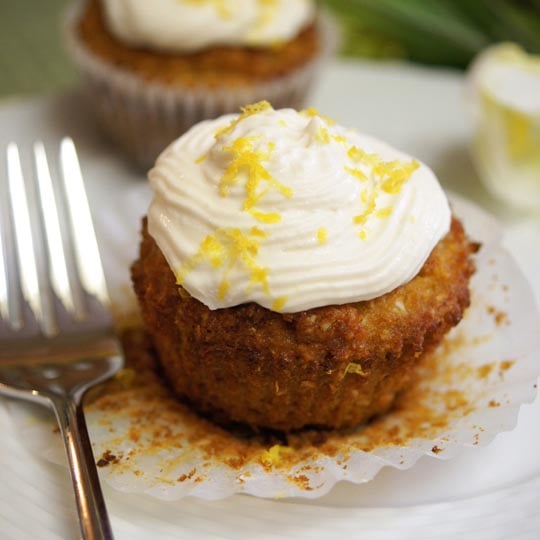
Perfect Dairy-Free Lemon Coconut Buttercream: No Butter Needed!
Dreaming of a bright, tangy, and lusciously creamy frosting without a hint of dairy? You’ve come to the right place! This article unveils the secrets to crafting the perfect **vegan lemon coconut frosting** – a truly divine buttercream that defies expectations by requiring no traditional butter. Whether you’re a seasoned vegan baker or simply exploring delicious dairy-free alternatives, this guide will equip you with all the knowledge to create a show-stopping frosting that's as delightful to look at as it is to taste. Get ready to elevate your cakes, cupcakes, and cookies with a burst of zesty lemon and tropical coconut! For too long, dairy-free frosting often meant sacrificing texture or flavor. But thanks to innovative plant-based ingredients and clever techniques, achieving a light, airy, and pipeable buttercream is not only possible but incredibly easy. We'll explore two primary methods, each offering a slightly different texture and preparation process, ensuring you can find your ideal **vegan lemon coconut frosting** solution.The Magic Behind Vegan Lemon Coconut Frosting: Decoding Key Ingredients
The foundation of any exceptional frosting lies in its ingredients. For a truly perfect dairy-free lemon coconut buttercream, we rely on a few stars that beautifully mimic the richness and structure of traditional butter-based frostings. Understanding their roles is key to your success.- Coconut Powerhouse: Full-Fat Coconut Milk or Coconut Oil
- Full-Fat Canned Coconut Milk: When chilled, the thick, solid cream that separates from the liquid coconut water becomes an incredible base for whipped frostings. It whips up beautifully, providing an airy, fluffy texture reminiscent of traditional buttercream. Ensure you use *unsweetened* full-fat coconut milk for the best results, as sweetened varieties can make your frosting overly sweet.
- Virgin Coconut Oil: Melted and then solidified, coconut oil offers a solid fat component that helps set and enrich frosting, much like butter. It's fantastic for creating a smooth, dense, and incredibly creamy texture, especially when blended with other ingredients.
- Sweeteners: Powdered Sugar or Natural Alternatives
- Powdered Sugar (Confectioners' Sugar): This is the go-to for many buttercream recipes due to its fine texture, which dissolves easily and contributes significantly to a smooth, fluffy consistency. It provides the classic sweetness and helps stabilize the frosting.
- Honey, Maple Syrup, or Agave: For those seeking a refined-sugar-free or more natural sweetener, liquid options like maple syrup or agave can work. If using honey, be mindful that not all vegans consume it, so maple syrup or agave are universally vegan choices. These impart a lovely flavor but can affect the final consistency, sometimes requiring minor adjustments to other dry ingredients.
- Zesty Flavor: Fresh Lemon Juice (and Zest!)
- Fresh Lemon Juice: Absolutely essential for that bright, tangy counterpoint to the sweetness and coconut richness. Freshly squeezed lemon juice offers a vibrant flavor that bottled alternatives simply can't match. Measure carefully, as too much liquid can thin your frosting. For an extra punch of citrus aroma and flavor, don't forget to incorporate some finely grated lemon zest!
- Aromatic Depth: Vanilla Extract
- Pure Vanilla Extract: A staple in almost all sweet treats, vanilla enhances the overall flavor profile, adding warmth and depth without overpowering the lemon and coconut. Opt for pure vanilla extract over imitation for the best taste.
- Secret Stabilizer: Coconut Flour
- Coconut Flour: This highly absorbent flour is a game-changer for frostings using coconut oil, acting as a natural thickener and stabilizer. Its unique properties help achieve a creamy, almost dense texture that sets beautifully when chilled. Precision in measuring coconut flour is crucial due to its absorbency – always scoop and level!
Method 1: Whipped Coconut Cream & Powdered Sugar – The Quick & Fluffy Buttercream
This method is beloved for its speed and incredibly light, airy texture, achieving a traditional buttercream feel in a fraction of the time. It relies on the magic of whipped coconut cream. If you're looking to Whip Up Fluffy Vegan Lemon Coconut Frosting: Dairy-Free & Easy, this is your go-to.Ingredients:
- 1 (13.5 oz / 400ml) can unsweetened full-fat coconut milk, chilled overnight in the fridge
- 2-3 cups powdered sugar (confectioners' sugar), sifted
- 1-2 tablespoons fresh lemon juice
- 1 teaspoon pure vanilla extract
- Optional: 1/2 teaspoon lemon zest for extra zing
Instructions:
- Prepare Coconut Cream: The night before, place your can of full-fat coconut milk in the refrigerator. When ready to frost, carefully open the can *without shaking it*. Scoop out the thick, solid coconut cream from the top, leaving any clear liquid (coconut water) behind. You should get about 1/2 to 3/4 cup of cream.
- Whip the Cream: In a large mixing bowl, add the chilled coconut cream. Using an electric hand mixer or a stand mixer with the whisk attachment, whip the coconut cream on medium-high speed for 2-3 minutes until it becomes light, fluffy, and forms soft peaks.
- Combine & Sweeten: Gradually add the sifted powdered sugar, one cup at a time, mixing on low speed until combined, then increasing to medium-high. Scrape down the sides of the bowl as needed.
- Add Flavor: Incorporate the fresh lemon juice and vanilla extract (and lemon zest, if using). Continue to whip for another 1-2 minutes until the frosting is bright, creamy, and well combined.
- Adjust Consistency: If the frosting is too thin, add more powdered sugar, 1/4 cup at a time, and whip until desired thickness is reached. If it's too thick, you can add a tiny bit of the reserved coconut water (start with 1/2 teaspoon) until it loosens slightly.
- Chill (Optional but Recommended): For best piping results or if your kitchen is warm, chill the frosting in the fridge for 15-30 minutes to firm it up slightly before use.
Expert Tip: Always use *full-fat* coconut milk, not light, and ensure it's been properly chilled. The separation of cream from water is crucial for achieving that whipped consistency. This **vegan lemon coconut frosting** holds its shape beautifully for piping intricate designs.
Method 2: Coconut Oil & Coconut Flour – The Rich & Creamy Blended Buttercream
Ingredients:
- 6 tablespoons virgin coconut oil, melted (but not hot)
- 1/3 cup unsweetened almond milk (or other plant-based milk), at room temperature
- 3 tablespoons maple syrup or agave nectar (for strict vegan; or honey if preferred)
- 1 teaspoon pure vanilla extract
- 2 tablespoons coconut flour, precisely measured
- 1 tablespoon fresh lemon juice
Instructions:
- Combine All Ingredients: Add all ingredients – melted coconut oil, almond milk, chosen sweetener, vanilla extract, coconut flour, and fresh lemon juice – into a high-speed blender.
- Blend Until Smooth: Blend on high speed until the mixture is completely smooth and creamy. This should take 1-2 minutes. Stop and scrape down the sides as needed to ensure everything is fully incorporated. Taste-test and adjust sweetness or lemon tang if desired.
- Crucial Chilling Time: Transfer the blended frosting to a bowl. Cover it tightly and refrigerate for a minimum of 6 hours. Yes, patience is key here! During this time, the coconut oil will solidify, and the coconut flour will fully absorb the liquids, resulting in a thick, set frosting.
- Stir & Serve: Once chilled, the frosting will be very firm. Remove it from the fridge and let it sit at room temperature for 15-20 minutes to soften slightly. Then, give it a vigorous stir with a spoon or spatula until it becomes smooth and spreadable again. If it's still too firm, you can re-blend briefly or let it sit out a little longer.
Expert Tip: Accurate measurement of coconut flour is paramount! Scoop the measuring spoon into the bag and level it off with a knife to avoid adding too much, which can lead to a dry, crumbly frosting. If your frosting seems too thick after stirring, you can add a teaspoon of plant-based milk at a time and stir well until desired consistency is reached.
Expert Tips for Frosting Perfection
No matter which **vegan lemon coconut frosting** method you choose, a few universal tips can help you achieve professional-level results.- Temperature Matters: For the whipped coconut cream method, ensure your coconut milk is thoroughly chilled. For the coconut oil method, room temperature plant milk helps everything blend smoothly. Once made, a slightly chilled frosting is always easier to work with, especially for piping.
- Balancing Sweetness and Tang: Always taste your frosting! You can adjust the amount of lemon juice for more tang or add more sweetener for increased sweetness. For a deeper lemon flavor without adding too much liquid, grate in some lemon zest.
- Troubleshooting Consistency:
- Too Thin: For the whipped coconut cream method, add more powdered sugar, 1/4 cup at a time, and whip again. For the coconut oil method, chilling longer will thicken it.
- Too Thick/Stiff: For the whipped coconut cream method, add a tiny bit of plant milk (1/2 teaspoon at a time) and re-whip. For the coconut oil method, let it sit at room temperature longer or add a splash of plant milk and stir vigorously.
- Storage: Store any leftover **vegan lemon coconut frosting** in an airtight container in the refrigerator for up to 5 days.
- Re-whipping (Method 1): If using the whipped coconut cream version, it may firm up in the fridge. Let it come to room temperature for 15-30 minutes, then re-whip it with an electric mixer until fluffy again.
- Re-stirring (Method 2): The coconut oil version will become very firm when chilled. Let it sit at room temperature until it softens, then stir well to restore its creamy texture. You might need to add a tiny splash of plant milk and stir if it's too stiff.
- Flavor Variations: Feel free to experiment! A few drops of almond extract instead of vanilla can offer a delightful marzipan-like note, or try lime juice for a tropical twist.
