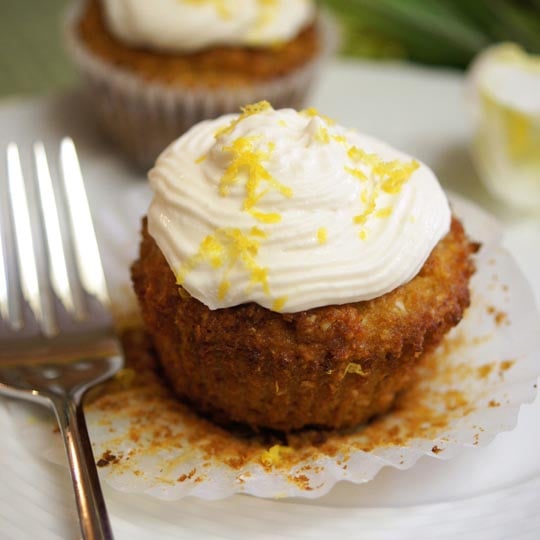
Whip Up Fluffy Vegan Lemon Coconut Frosting: Dairy-Free & Easy
Imagine a frosting so vibrant, so zesty, and so incredibly creamy that it effortlessly elevates any dessert from simple to spectacular. Now, imagine it being entirely plant-based, dairy-free, and surprisingly easy to make. Welcome to the world of vegan lemon coconut frosting! This delightful topping brings a burst of tropical sunshine and tangy brightness, making it the perfect companion for cakes, cupcakes, cookies, and more. Whether you're navigating dietary restrictions or simply exploring delicious new flavors, this dairy-free wonder is about to become your new favorite.
Why Choose Vegan Lemon Coconut Frosting?
Opting for a vegan frosting isn't just a trend; it's a choice driven by taste, health, and ethical considerations. Here’s why this particular light and creamy vegan lemon coconut frosting stands out:
- Dairy-Free & Allergen-Friendly: For those with lactose intolerance, dairy allergies, or a vegan lifestyle, this frosting is a game-changer. It offers all the richness and indulgence without any animal products.
- Vibrant Flavor Profile: The combination of tangy lemon and sweet, subtle coconut creates a uniquely refreshing and sophisticated taste. It’s bright and fresh, cutting through the richness of baked goods beautifully.
- Surprisingly Easy to Make: Despite its gourmet appeal, many recipes for vegan lemon coconut frosting are straightforward, requiring minimal ingredients and equipment.
- Versatility: It pairs wonderfully with a wide array of desserts, from classic vanilla cakes and chocolate cupcakes to fruit tarts and even simple sugar cookies.
- Ethical & Sustainable: Choosing plant-based ingredients supports ethical consumption and often has a smaller environmental footprint.
Two Paths to Perfection: Coconut Oil Blend vs. Coconut Milk Buttercream
When it comes to crafting your ideal vegan lemon coconut frosting, there are primarily two popular methods, each yielding a slightly different texture and requiring distinct ingredients. Understanding these differences will help you choose the perfect approach for your baking needs.
The Quick & Creamy Coconut Oil Blend
This method is fantastic for those seeking a richer, more dense frosting that sets beautifully. It’s often considered a more "raw" or "blended" style of frosting, ideal for spreading rather than intricate piping.
- Key Ingredients:
- Melted Coconut Oil: This is the backbone, providing structure and richness as it solidifies when chilled.
- Plant-Based Milk: Almond milk or cashew milk works wonderfully to add creaminess. Ensure it's at room temperature.
- Natural Sweetener: Honey can be used, but for a strictly vegan option, opt for maple syrup or agave nectar.
- Vanilla Extract: Enhances the overall sweetness and aroma.
- Coconut Flour: A unique thickening agent here. Its high absorbency is key to the frosting's texture, so precise measurement is crucial.
- Fresh Lemon Juice: Provides that essential tangy zest.
- Method: The beauty of this frosting lies in its simplicity. All ingredients are typically combined in a high-speed blender and processed until smooth and creamy. The critical step then involves transferring the frosting to a bowl and allowing it to set in the refrigerator for a significant period – often around six hours. This extended chill time allows the coconut oil to firm up, creating that characteristic rich, spreadable consistency. After chilling, a good stir will prepare it for serving.
- Best For: Filling cakes, spreading on brownies, or as a dense, flavorful topping that holds its shape once firm.
The Fluffy & Piped Coconut Milk Buttercream
If you're aiming for a classic buttercream experience – light, airy, and perfect for piping intricate designs – then a coconut milk-based frosting is your go-to. This method focuses on whipping ingredients to achieve that signature fluffy texture, often ready in mere minutes.
- Key Ingredients:
- Full-Fat Canned Coconut Milk: This is non-negotiable! You need the thick, condensed cream that settles at the top of an perfect dairy-free lemon coconut buttercream: no butter needed! can, not the watery liquid. Ensure it’s unsweetened to control the overall sweetness of your frosting. Chilling the can overnight can help separate the cream from the water.
- Powdered (Confectioners') Sugar: Essential for both sweetness and achieving that super fine, fluffy consistency.
- Fresh Lemon Juice: Always prefer fresh for the brightest, most authentic lemon flavor. Measure carefully – too much liquid can thin the frosting.
- Pure Vanilla Extract: The "real deal" makes all the difference, adding depth and warmth.
- Method: This method typically involves whipping the chilled coconut cream with powdered sugar, lemon juice, and vanilla extract using a hand mixer or stand mixer. The whipping action incorporates air, creating a light and fluffy texture similar to traditional buttercream. Often, this can be achieved in as little as 3-5 minutes.
- Best For: Decorating cakes, piping on cupcakes, filling macarons, or topping cookies where a soft, sculptable texture is desired.
Essential Ingredients for Unforgettable Frosting
Regardless of which method you choose for your vegan lemon coconut frosting, selecting quality ingredients is paramount. Here's a closer look:
- Coconut Component:
- Coconut Oil: When using the blended method, opt for virgin coconut oil for a more pronounced coconut flavor, or refined if you prefer a milder taste.
- Full-Fat Canned Coconut Milk: For buttercream, make sure it's full-fat and has been chilled to allow the cream to separate. Avoid "light" versions.
- Lemon Power: Always use fresh lemon juice for the best, most vibrant flavor. Consider adding a touch of lemon zest for an extra aromatic punch.
- Sweetener Choice: Powdered sugar is best for whipped buttercreams, as its fine texture dissolves easily and helps create a smooth consistency. For blended frostings, maple syrup or agave are excellent liquid sweeteners.
- Vanilla Extract: Pure vanilla extract is always recommended over artificial versions for a more authentic and rich flavor profile.
- Coconut Flour (for blended method): Measure precisely! This ingredient is incredibly absorbent. Level off your measuring spoon with a knife to ensure accuracy.
Mastering the Art: Tips for Flawless Vegan Frosting
Even with the simplest recipes, a few expert tips can ensure your vegan lemon coconut frosting turns out perfectly every time:
- Temperature Control is Key:
- For coconut oil-based frosting, ensure almond milk is at room temperature for smooth blending, and allow ample chill time for the frosting to set.
- For coconut milk buttercream, *start with very cold coconut cream*. Chilling your mixing bowl and beaters beforehand can also help achieve maximum fluffiness.
- Measure Accurately: This is especially vital for coconut flour (as noted) and lemon juice. A little too much liquid can throw off the consistency.
- Troubleshooting Consistency:
- If your buttercream is too thin: Add more powdered sugar, a tablespoon at a time, whipping well after each addition until desired thickness is reached. Alternatively, chill the frosting in the fridge for 15-30 minutes.
- If your buttercream is too thick: Add a tiny splash of cold plant milk (1/2 teaspoon at a time) and whip until smooth.
- If your blended frosting hasn't set: It likely needs more time in the fridge. Ensure the coconut oil had enough time to solidify.
- Storage & Re-whipping: Store leftover frosting in an airtight container in the refrigerator for up to 5 days. Before using again, let it come to room temperature and give it a good re-whip with a mixer to restore its light, fluffy texture. For the coconut oil blend, re-stir well after it softens slightly.
- Piping Perfection: If using the coconut milk buttercream for piping intricate designs, chill it briefly in the refrigerator if it feels too soft. This will help it firm up and hold its shape better.
- Flavor Variations: Don't be afraid to experiment! Add a pinch of salt to balance the sweetness, or swap vanilla extract for almond extract for a different twist. A little lime juice can also be wonderful if you're looking for an even more tropical zing.
Creating delicious, dairy-free frosting doesn't have to be complicated. With these insights and a little practice, you'll be whipping up vibrant, fluffy vegan lemon coconut frosting that will impress everyone who tastes it. Go ahead, get creative, and elevate your favorite baked goods with this incredible plant-based delight!
